Kaboni Biochar Project Completes Feasibility Phase
Three experimental production runs completed using locally sourced biomass have confirmed high stability and quality — paving the way for full-scale operations and Verra registration.
Stay informed about the Kaboni Biochar Project
Three experimental production runs completed using locally sourced biomass have confirmed high stability and quality — paving the way for full-scale operations and Verra registration.
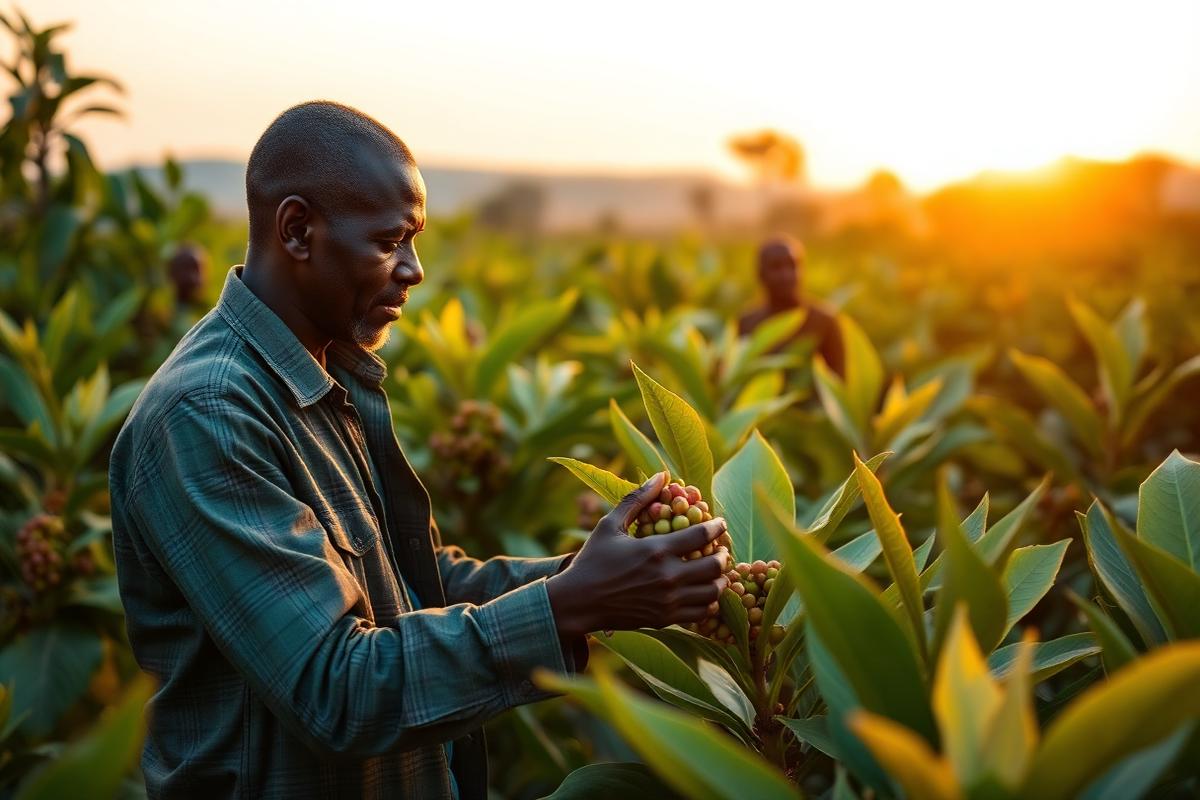
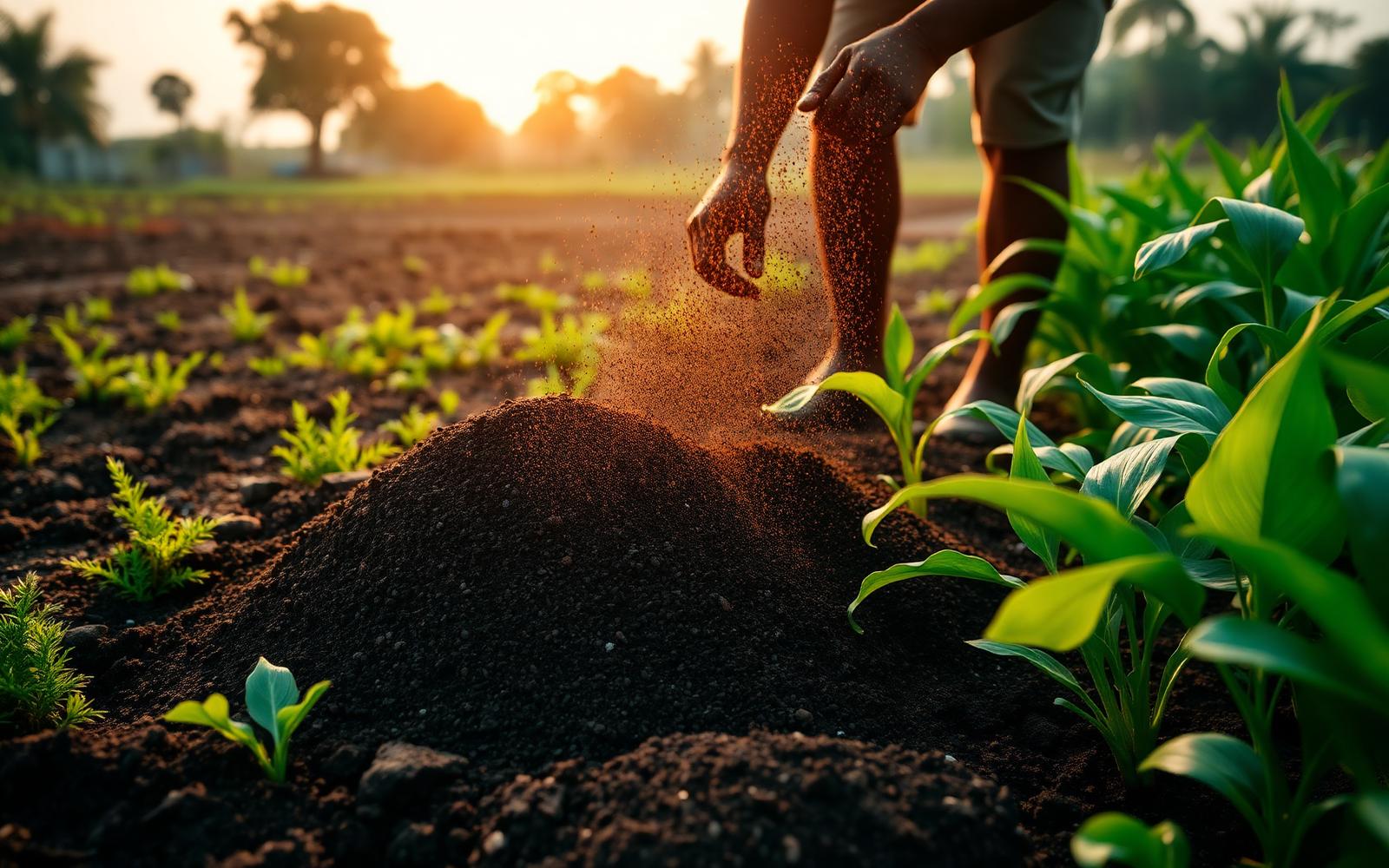
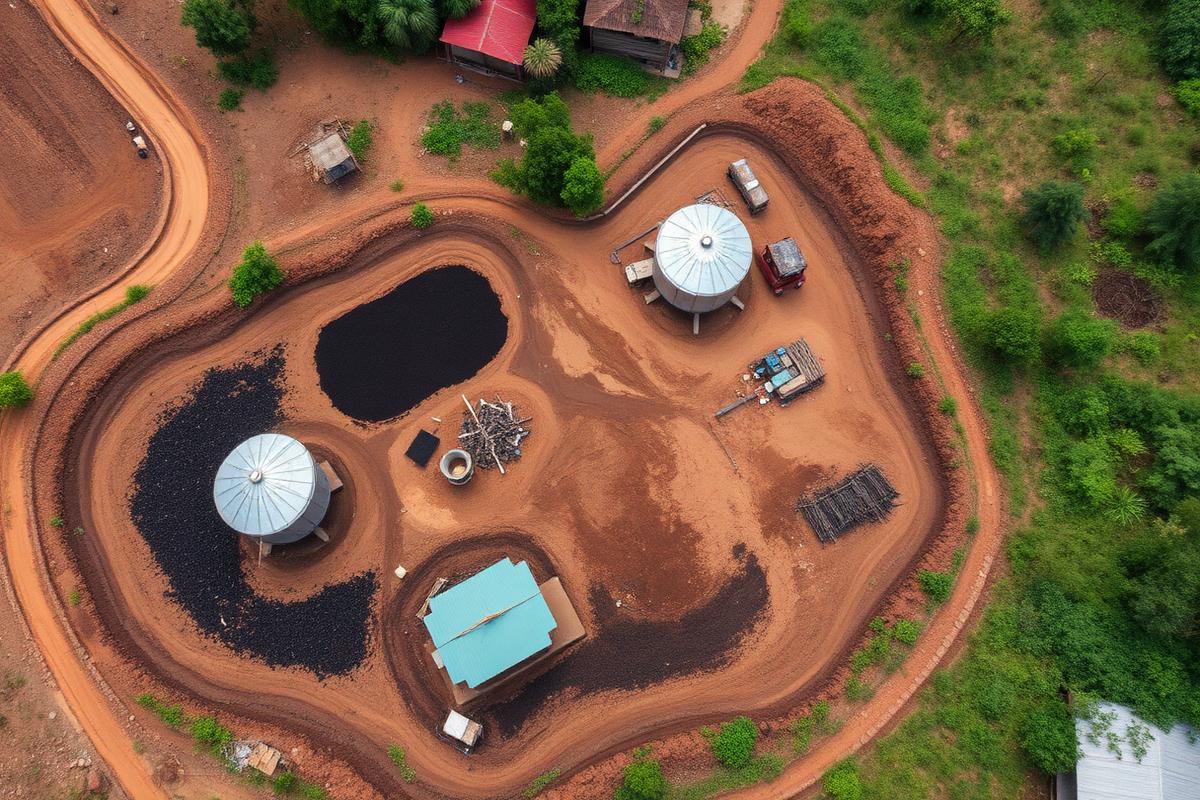
Kaboni Capture Solutions Ltd has completed its feasibility phase after three experimental pyrolysis runs using coffee husks, maize cobs and encroacher-species biomass. Independent laboratory analysis confirmed a stable carbon fraction above 72%, an H/C molar ratio well below the 0.4 threshold set by the IBI, and consistent nutrient loading suitable for tropical soils. The results provide the technical foundation for Verra registration under methodology VM0044 and clear the path to full-scale operations at the Ntungamo facility later this year.

Kaboni has entered a formal research collaboration with Uganda's National Agricultural Research Organisation (NARO) and the National Coffee Research Institute (NaCORI). The partnership will run replicated field trials across three agro-ecological zones to quantify yield response, nutrient efficiency and water-holding capacity in biochar-amended soils. Findings will support the Ministry of Agriculture (MAAIF) registration of Kaboni biochar as a certified agricultural input, unlocking commercial distribution to smallholder cooperatives.
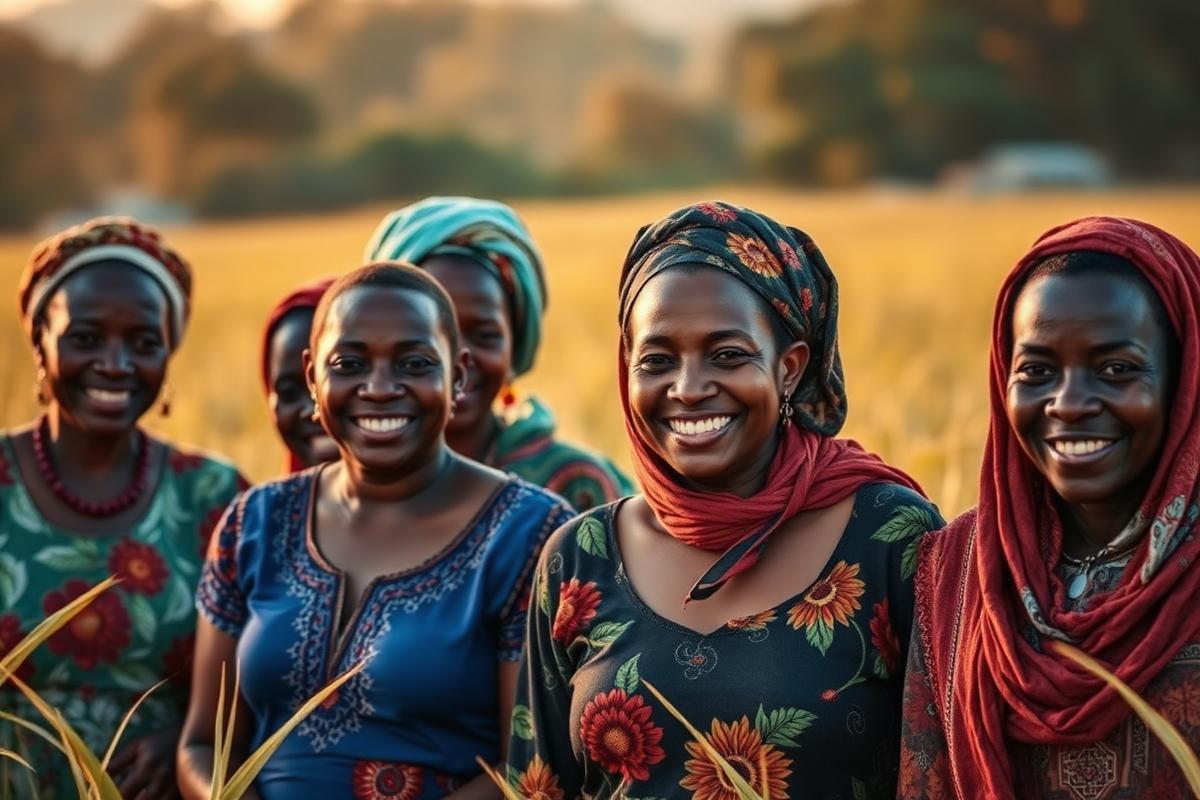
Glory Mixed Farm — a 246-hectare mixed enterprise in the Lyantonde / Rakai area — has been chosen as the primary application site for the pilot phase. The farm's degraded ferralsols and diversified cropping system (coffee, bananas, maize, pasture) offer an ideal setting to measure biochar's effect on soil carbon, root biomass and yield stability under real Ugandan conditions. Baseline soil sampling and a randomised block design are underway ahead of first application in Q2 2026.

The Project Idea Note (Form 4) has been submitted to Uganda's Climate Change Department under the National Climate Change Regulations 2023. The filing initiates the formal review that leads to a Letter of No Objection — the pre-condition for issuing internationally tradable carbon removal credits from Ugandan soil. Kaboni is one of the first biochar projects to enter this pathway domestically.
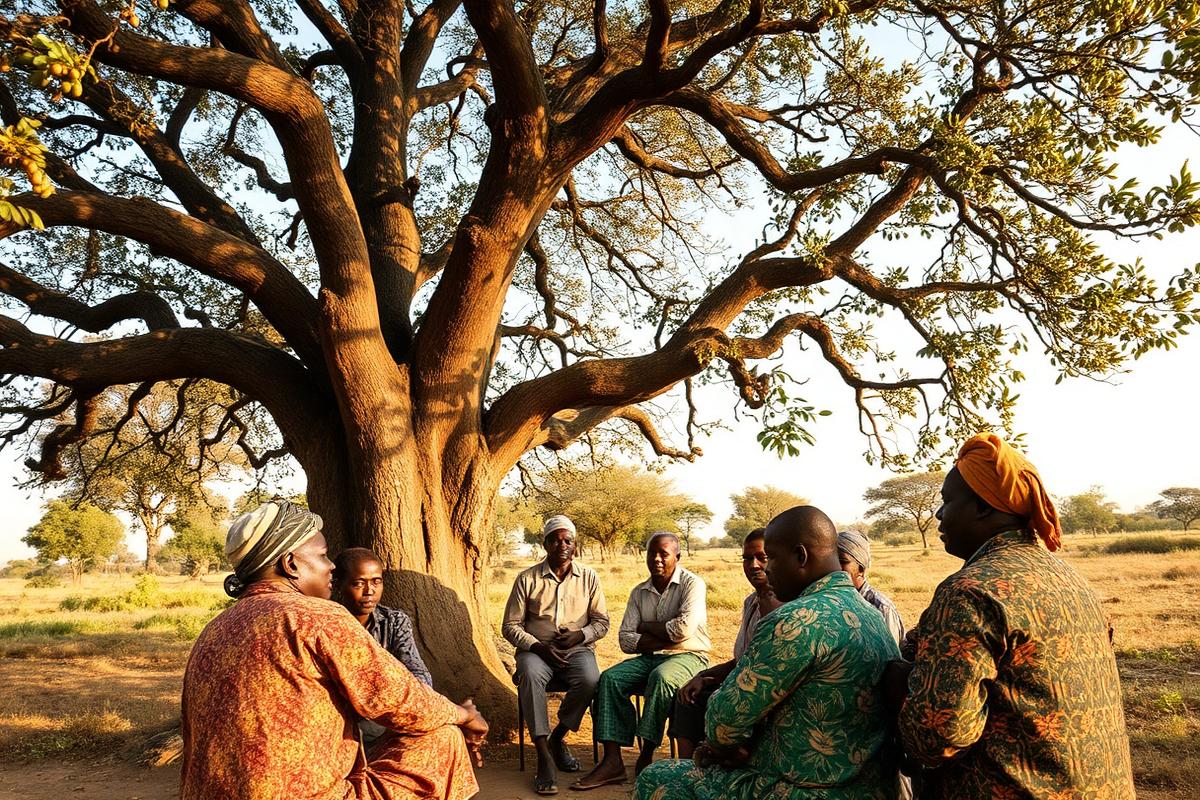
The first full closed-loop cycle has been completed: coffee husks were collected from more than 120 smallholder farmers across Ntungamo and Mbarara, converted into biochar at the pilot reactor, and returned as a free soil amendment to the same farms. Roughly one third of participating suppliers were women. The pilot validates the community benefit-sharing model and confirms that logistics, quality control and record-keeping meet Verra's traceability requirements.
Following disclosure of Kaboni's methodology and feasibility data, several European and North American offtake platforms have signalled interest in forward-purchasing high-integrity biochar carbon removal credits from Uganda. Durable removals with strong co-benefits currently trade at a premium above the wider voluntary market, reflecting demand from corporate net-zero programmes that require permanent, measurable and community-positive supply.
Get project milestones, research updates and carbon market insights straight to your inbox.