Our Technology
Controlled pyrolysis for durable carbon removal
Controlled pyrolysis for durable carbon removal
Biochar is a carbon-rich material produced through the thermal decomposition of organic biomass under limited-oxygen conditions, a process known as pyrolysis. Unlike conventional charcoal, biochar is engineered for environmental and agricultural applications, with a focus on long-term carbon sequestration and soil enhancement.
Agricultural residues brought to consistent moisture and particle size.
Heated to 300–700°C under limited oxygen.
Biochar (solid), syngas (gas), bio-oil (liquid).
Cooled, conditioned, sized or blended.
Carbon content, stability, pH, nutrient profile.
| Parameter | Specification |
|---|---|
| Throughput / capacity (feedstock t/yr) | ~ 12,000 t/yr (Phase 1) |
| Biochar output (t/yr) | ~ 3,600 t/yr (30% mass yield) |
| Operating temperature range | 300–700°C (target 500–600°C) |
| Residence time | 20–40 minutes |
| Energy requirements | Autothermal — process heat from combustion of syngas & bio-oil |
| Emissions profile | Syngas fully combusted; no open-burn methane or black carbon |
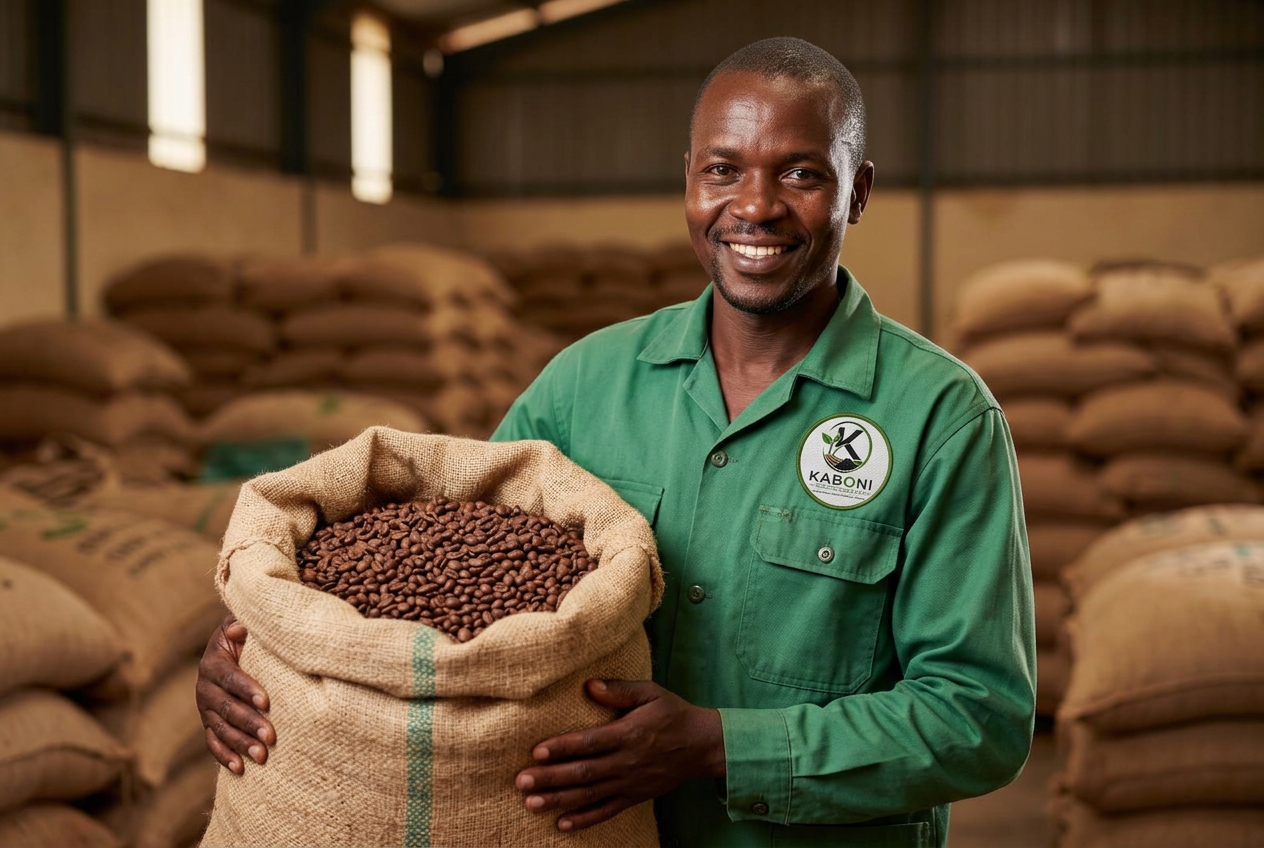
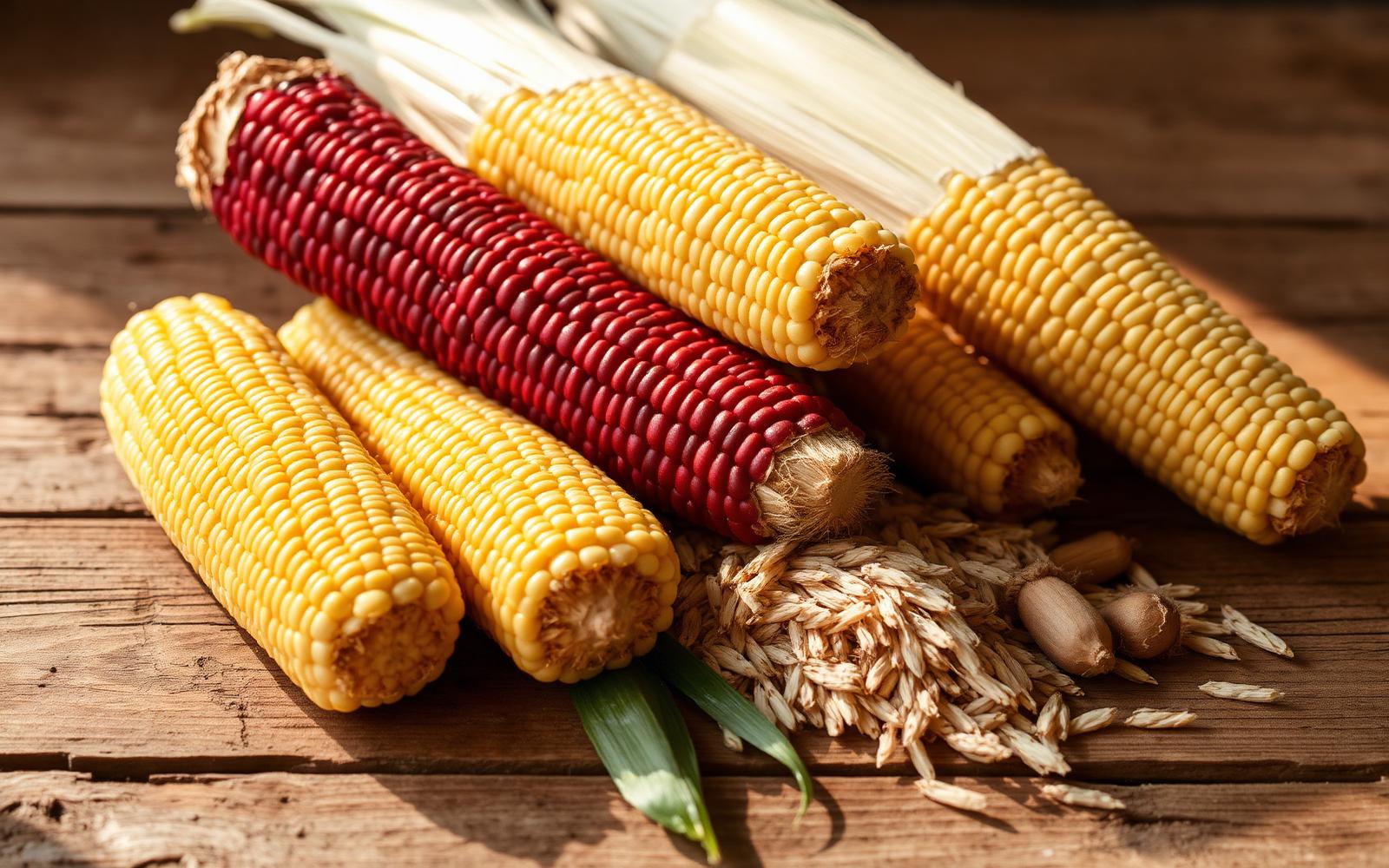
Coffee husks, maize cobs and rice husks — waste streams from Ugandan agriculture.
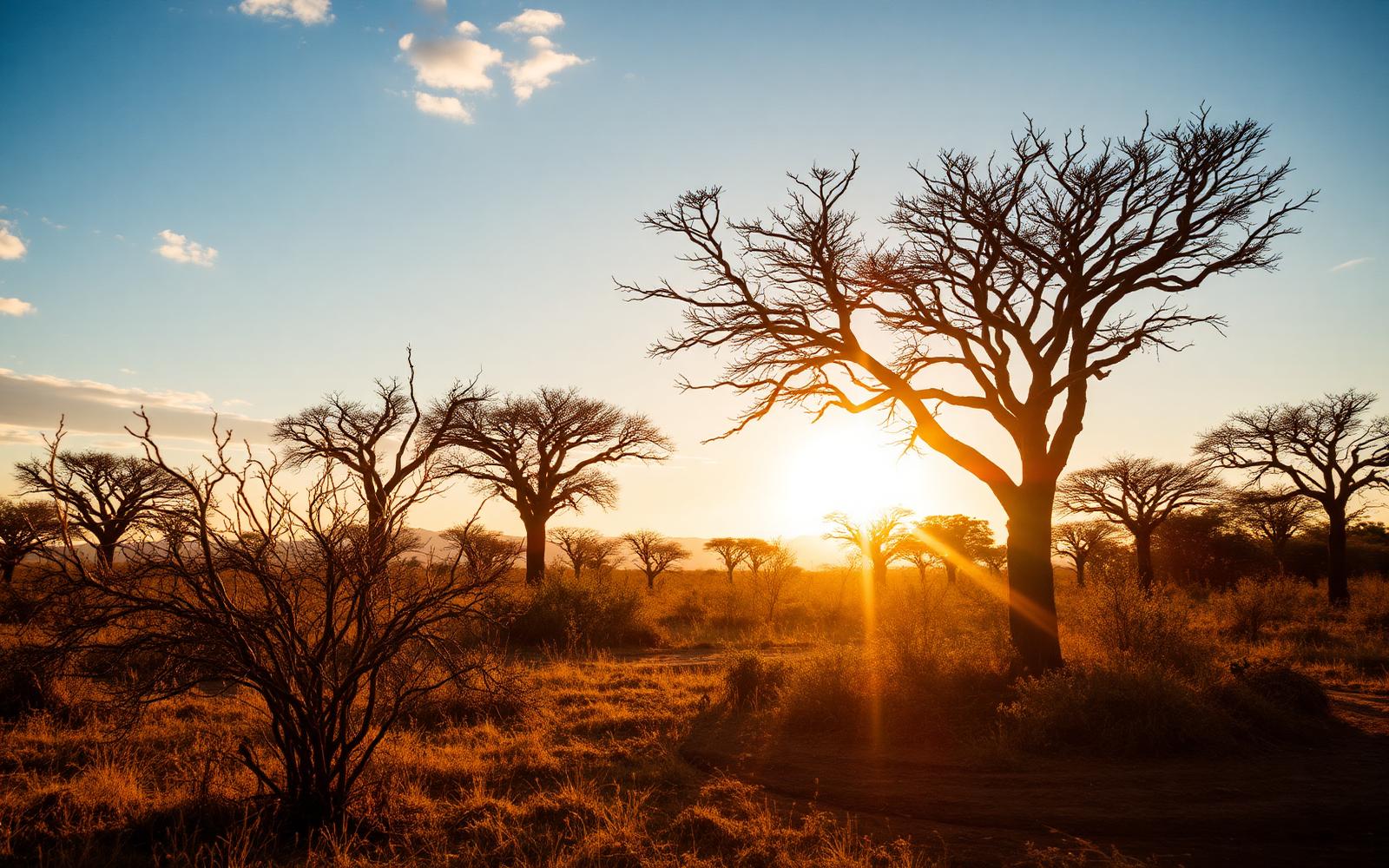
Sickle bush and Acacia hockii — harvested to restore native grasslands.
Additional local biomass as confirmed by laboratory characterisation.
| Parameter | Method | Run 1 | Run 2 | Run 3 |
|---|---|---|---|---|
| Total carbon (%) | ASTM D3172 (dry, ash-free) | 78.4 | 81.2 | 79.6 |
| Organic / stable carbon (%) | IBI Corg method | 72.1 | 74.8 | 73.4 |
| H/C molar ratio | Elemental analysis (CHN) | 0.38 | 0.32 | 0.35 |
| pH | ISO 10390 (1:5 water) | 9.2 | 9.5 | 9.3 |
| Ash content (%) | ASTM D1762 | 14.6 | 12.9 | 13.7 |
| Nutrient profile (N-P-K %) | Kjeldahl / ICP-OES | 1.1 - 0.4 - 2.6 | 1.3 - 0.5 - 2.9 | 1.2 - 0.4 - 2.7 |
A single gram of biochar can carry hundreds of square metres of internal surface area. Those pores behave like a sponge in the root zone — absorbing water when it rains and releasing it slowly as crops need it.
Water passes through. Roots stay shallow.
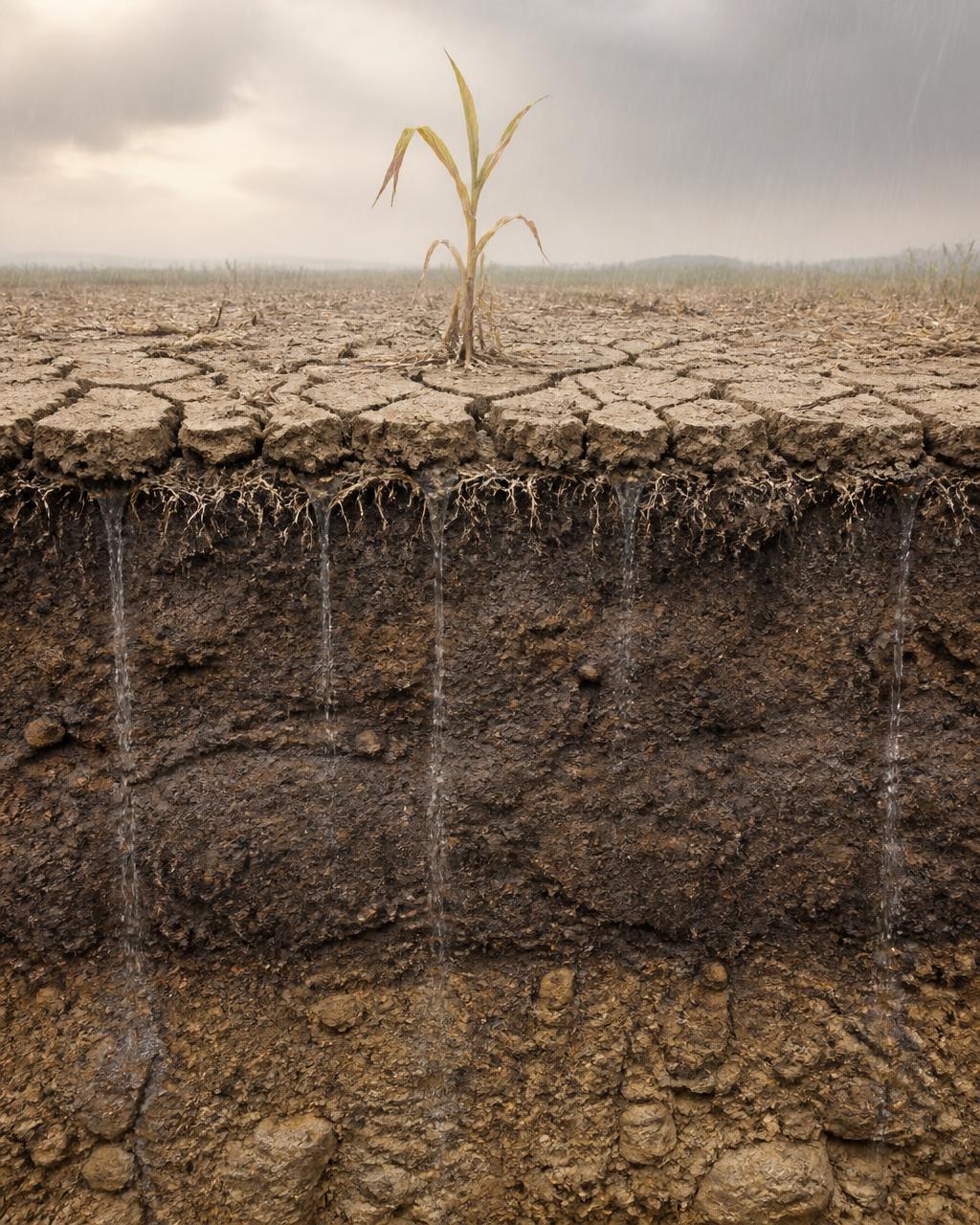
Water is held in the pores. Roots go deeper.
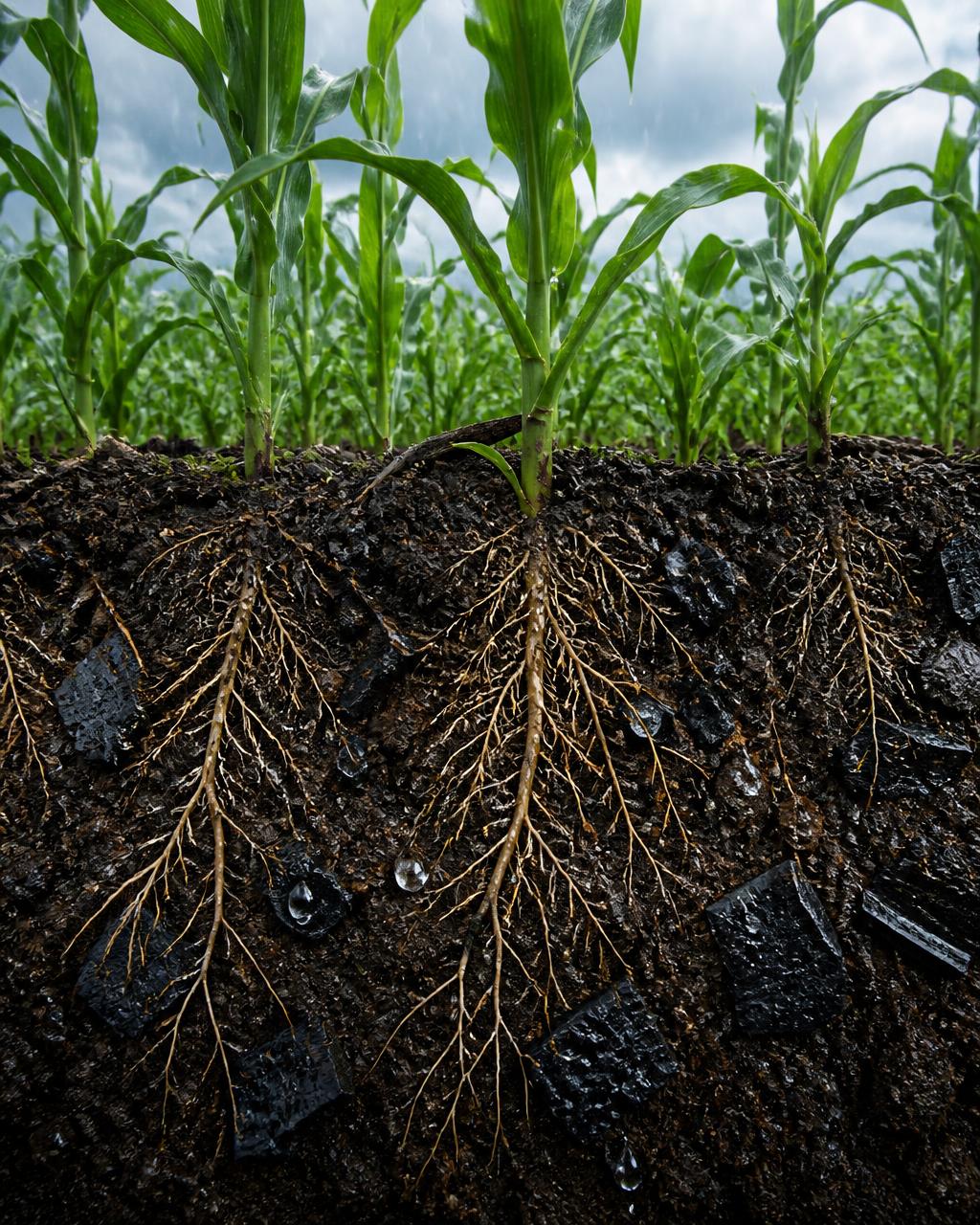
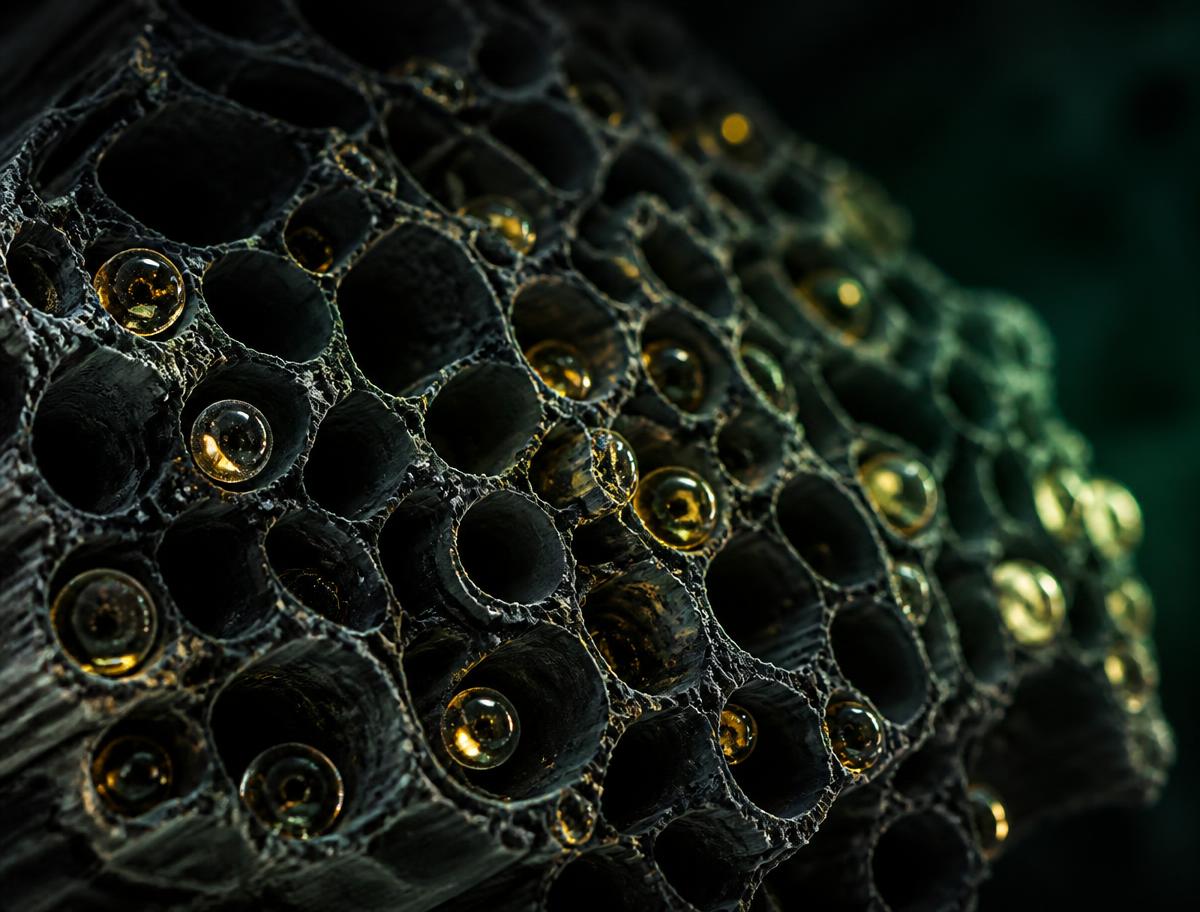
Pyrolysis burns off volatile compounds and leaves behind the plant's original cellular skeleton — a honeycomb of channels a few microns wide. Water is drawn into those channels by capillary action and held against gravity, then released slowly back to roots and soil microbes during dry periods.
Our processing facility at Plot 51, Block 24 at Nyakakoni, Isingiro is being established. This gallery will be filled with live photography and video of the plant, kilns and field operations as commissioning progresses.
Placeholder — live imagery to be added.
Placeholder — live imagery to be added.
Placeholder — facility video to be added.
Placeholder — live imagery to be added.
Placeholder — live imagery to be added.
Placeholder — community video to be added.
Registered under the Verified Carbon Standard for high-integrity carbon removal credits.
Aligned with approved biochar methodology (Verra VM0044).
Independent verification by an accredited third-party validator.
Fully aligned with Uganda's National Climate Change Regulations.